REVIEW · GRAND CAYMAN
Reagan’s Honey Beekeeping Adventure
Book on Viator →Operated by Reagan’s Honey Ltd. · Bookable on Viator
Bees feel like a joke… until you’re suited up. This small-group Grand Cayman beekeeping adventure puts you right at an active hive, and I love how you get a close look at the inner workings while searching for the queen. Another highlight I really like is the take-home sample jar of honey straight from the hive, so you leave with a real, local souvenir.
The main thing to consider is logistics: you’re outside near mangrove wetlands, and you’ll need the right footwear and weather. Bring closed-toe shoes and plan for a safety waiver before you put on the suit.
In This Review
- Key highlights at a glance
- Reagan’s Honey Beekeeping Adventure in Grand Cayman: what it’s really like
- Meeting point, timing, and how the day flows (9:00 am starts)
- The short drive to the apiary: mangroves, humidity, and why the setting matters
- Suit up: bee gear, safety, and what you should wear
- Your beehive inspection: queen spotting and watching the colony work
- The honey moment: tasting and taking home Cayman honey
- Woodland wildlife spotting between hive checks
- Small groups mean real attention, not just a quick stop
- Price and value: $66.67 for gear, guide time, and honey
- Who should book this beekeeping adventure (and who should think twice)
- When weather can change your plans
- Should you book Reagan’s Honey Beekeeping Adventure?
- FAQ
- Where does the beekeeping tour start?
- How long is the beekeeping adventure?
- What age do I need to participate?
- What’s the maximum number of people per tour?
- What should I wear to the apiary?
- Do I need to worry about getting stung?
- Do I get to take honey home?
- Is pickup and drop-off included?
- What happens if the weather is bad?
- What if I need to cancel?
Key highlights at a glance
- Up to 4 people means your guide can keep the group close and answer questions in plain language
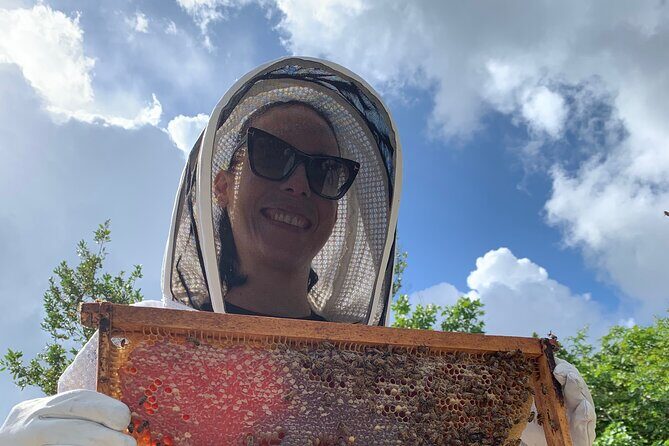
- Bee suit provided with ventilated, triple-layer protection so you can focus on the hive, not your nerves
- Active beehive inspection with time spent looking for the queen and watching baby bees emerge
- Hands-on beekeeping learning that covers honey harvesting, queen rearing, and apiary design
- Wildlife walk in tropical woodland with chances to spot native birds, iguanas, and agouti
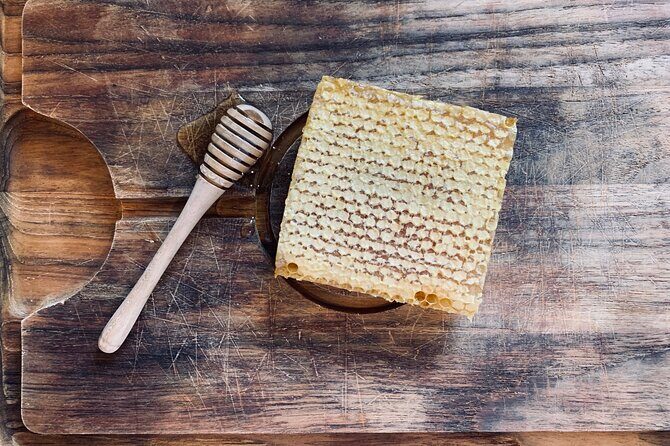
- Local honey taste plus a take-home jar straight from the comb
Reagan’s Honey Beekeeping Adventure in Grand Cayman: what it’s really like
If you’ve done the usual beach-and-bus stops in Grand Cayman, this is the kind of experience that changes your rhythm. Instead of sightseeing from a distance, you’re learning how a working apiary protects bees every day—and how those bees matter to the island ecosystem.
The tone is practical. You start with an orientation, then you get geared up, then you move through the apiary and surrounding tropical woodland. The heart of the tour is an inspection of an active hive, where you get to see the messy reality behind the sweetness: brood stages, hive structure, and the daily job of keeping colonies healthy. And yes, you taste the result—local honey directly from the hive.
I also like that the experience keeps its scale small. Maximum group size is 4. That matters because beekeeping isn’t a “stand over there and look” activity. You want your guide close enough to explain what you’re seeing and to manage the hive calmly.
The guide you’ll meet is often described as an owner and a passionate teacher, and the vibe tends to match that. One name that comes up a lot is Jamaal (spelled a couple ways), and people say he’s big on answering questions and walking you through what’s happening inside the hive.
You can also read our reviews of more tours and experiences in Grand Cayman.

Meeting point, timing, and how the day flows (9:00 am starts)
This tour starts at 9:00 am at Chime Street, Savannah, Cayman Islands. The activity ends back at the meeting point, so you’re not scrambling for a transfer at the end.
Pickup and drop-off are included for parties of 3 or more from designated meeting points. If you’re going solo or as a duo, you’ll still meet at Chime Street, and transportation to that starting point is on you.
Plan on about 2 hours total. That includes the ride out to the apiary area (near mangrove wetlands), the gear-up and orientation time, the inspection, and the light refreshments afterward. The tour is described as “approximately 2 hours,” so you’re not signing up for a clock-punishing schedule—but you should still be ready to start on time.
One practical point: you’ll be asked to sign a release waiver before the tour. That’s standard for animal and stinging-insect activities, and it’s also your cue that this is run with real-world safety in mind.
The short drive to the apiary: mangroves, humidity, and why the setting matters
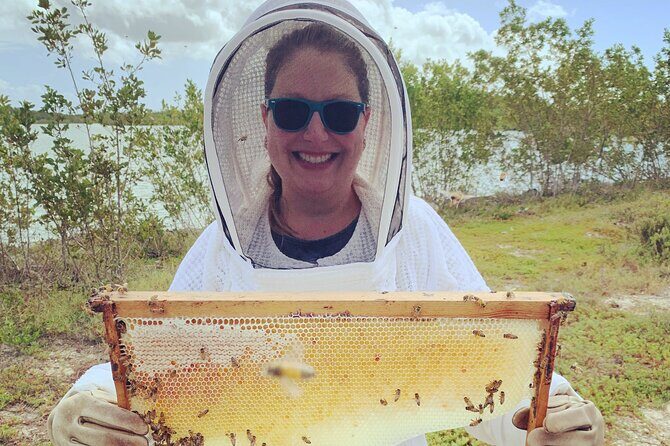
You’re not just walking into any backyard hive. You head to a local apiary on the edge of Grand Cayman’s mangrove wetlands. That location isn’t trivia. It’s part of the story of why bees and beekeepers belong here.
Mild weather, local plants, and the unique island ecology all affect what the bees do. In the tour flow, you’ll get a quick orientation and then move through the apiary and nearby tropical woodland as the guide explains what you’re seeing.
This is also where you may get your first wildlife moments. The tour experience description highlights chances to spot native birds, water fowl, iguanas, and agouti while you’re walking the woodland edges. Even if you don’t catch every animal, you’re getting a real sense of the island’s ecosystem, not just a fenced-off attraction.
Suit up: bee gear, safety, and what you should wear
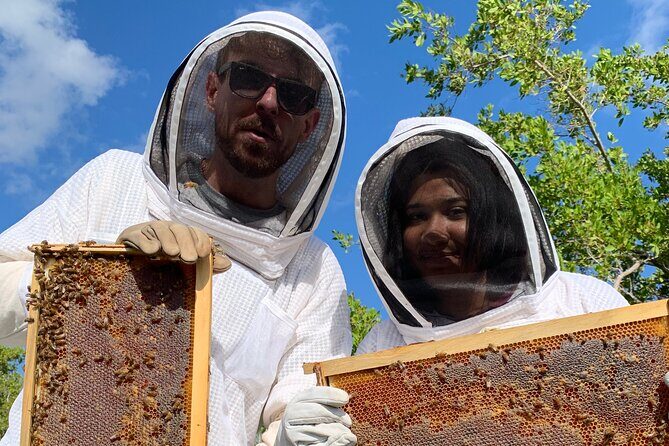
This is one of those tours where the gear is not optional extras—it’s the whole point. You’ll don a full beekeeper suit plus standard issued apiary gear, provided by the operator. The suits are described as ventilated, which matters in Cayman heat.
The protection is explained clearly: the suits offer triple layer ventilated protection designed to prevent bees from reaching you with their stinger. Still, they are honest that no suit can guarantee zero stings. The FAQ also makes the reality clear: honey bees die after they sting—so the suit approach isn’t about being macho. It’s about creating a barrier so the bees stay calm and you stay safe.
What you wear is on you, and you should treat that advice seriously:
- Wear a T-shirt and shorts or swimwear as base layers
- Use closed-toe shoes
- No sandals or flip-flops
If you’re the type who tends to show up in beach sandals everywhere, this is your moment to switch gears. The best “value” you get from this tour is being comfortable enough to pay attention while the guide works around the hive.
Your beehive inspection: queen spotting and watching the colony work
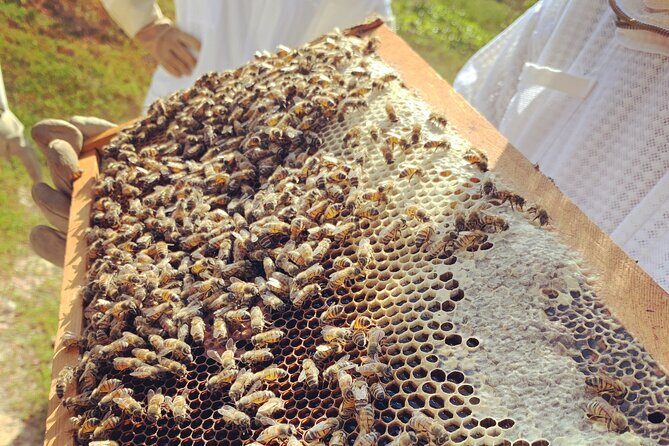
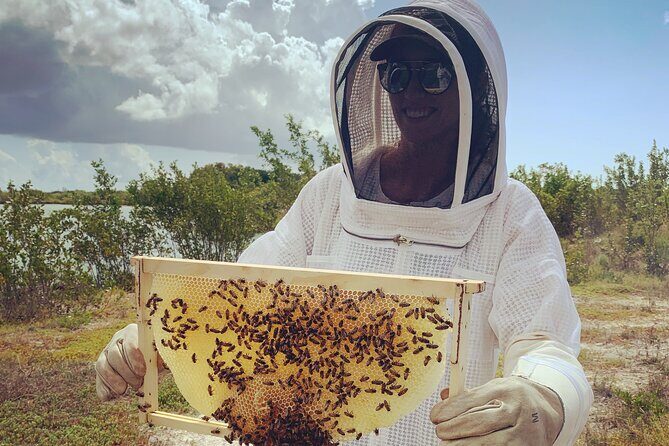
The main event is an inspection of an active beehive. This is where the tour becomes more than a lecture.
Your guide leads you through what to look for, including:
- Finding the queen bee (described as elusive, because yes, she’s not always easy to spot)
- Spotting emerging baby bees
- Seeing the inner mechanics of a living beehive before closing it up again
The best part of this section is how visual it is. You’re not just learning that colonies have roles—you’re looking at a real colony and seeing why those roles matter. The tour also signals that the guide doesn’t keep things vague. The experience is set up for you to follow along as the hive is inspected.
You’ll also get hands-on learning connected to the actual work of beekeeping, like honey harvesting and learning about queen rearing and apiary design. Even if you’re not performing every step yourself, the structure of the tour suggests you’ll get guided explanations linked directly to what’s in front of you.


The honey moment: tasting and taking home Cayman honey
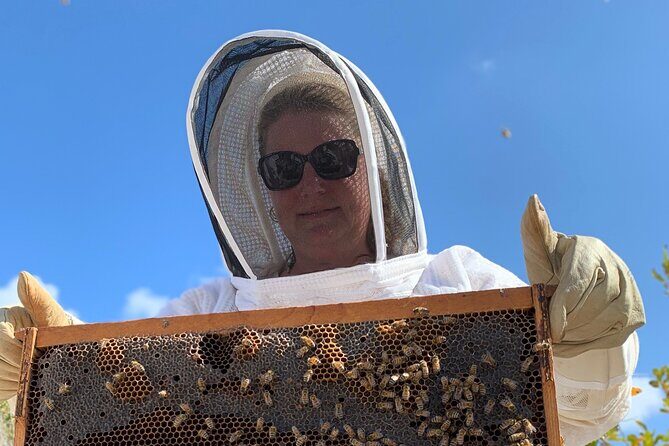
Honey is a souvenir, but it’s also the lesson. The tour includes you tasting local Cayman honey as part of the beehive experience.
Then comes the payoff: you receive your own sample jar of honey straight from the hive. That’s a big deal for value because it turns the whole tour into something tangible. You can bring it home, show it off, and—more importantly—remember what the colony looked like when you tasted it.
People also describe the honey as delicious, and they like that it’s collected from the comb. That makes it feel less like a generic “gift shop honey” situation and more like part of the real workflow of an apiary.
Woodland wildlife spotting between hive checks
One thing I like about this tour is that it doesn’t feel like only one “moment.” You spend time touring the apiary area and moving through the tropical woodland around it, and the tour description explicitly calls out potential wildlife sightings.
Keep your expectations realistic. You’re in nature, so sightings depend on timing and animal behavior. But the chance of seeing:
- Native birds
- Water fowl
- Iguanas
- Agouti
…adds a fun, Grand Cayman flavor to the day. It also helps break up the intensity of the hive inspection. You’re learning about insects, but you’re also noticing the bigger ecosystem that makes the bees’ work meaningful.
Small groups mean real attention, not just a quick stop
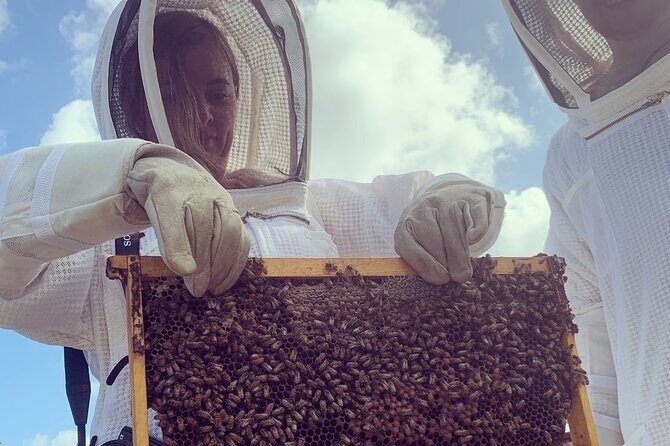
With a maximum of 4 travelers per reservation, this is the kind of tour where your guide can manage your pacing. You’re not being rushed through a safety briefing and pushed toward the exit.
That small size also supports better Q&A. People highlight that their guides were friendly and answered questions, with Jamaal specifically coming up as someone who’s very into his bees and keeps the tour engaging.
For me, small-group value is simple: you get more time with the people who know what you’re looking at. Beekeeping is full of small details, like what brood looks like at different stages, and what hive conditions mean. When your group is small, those details get explained instead of skipped.
Price and value: $66.67 for gear, guide time, and honey
The listed price is $66.67 per person, and it’s a fair deal when you look at what’s included:
- Guided tour and beekeeper expertise
- Professional bee suit and protective gear
- Light refreshments and bottled water
- A tour of the apiary plus an active hive inspection
- A take-home sample jar of honey straight from the hive
- Pickup and drop-off included for parties of 3 or more
What’s not included is transportation to the meeting point. That’s normal, but you should factor it in if you’re staying far from Savannah or relying on taxis.
For two hours, small-group access, protective gear, and a honey souvenir directly from the hive, this is one of the more “meaningful per dollar” activities on the island. You’re paying for access to working beekeeping, not just a viewing experience.
Who should book this beekeeping adventure (and who should think twice)
This tour fits best if you like hands-on learning and you want something different from the classic Grand Cayman routine. It also works for couples and small families who can follow directions and handle nature walks in the heat.
You also need to be comfortable with the idea of being close to bees—behind a suit barrier, yes, but still close enough to learn properly. The tour explicitly notes it’s highly unlikely you’ll get stung, and the suits are designed for safety. Still, they can’t guarantee zero stings.
Age requirements show a slight mismatch in the provided info:
- The tour summary says you must be at least 13 years old
- The FAQ says the minimum is 10, and anyone 10–17 must be accompanied by a parent or guardian
Because of that difference, I strongly suggest confirming the age rule for your exact date before you buy, especially if you’re bringing younger kids.
Finally, be honest about your footwear and outdoor stamina. If you hate uneven ground, heat, and a nature setting, you might find the woodland walk less fun than the hive part—but the tour is still outdoors-based.
When weather can change your plans
This experience requires good weather. If it’s canceled due to poor weather, you’ll be offered a different date or a full refund. That’s worth keeping in mind when you’re scheduling the tour during a busy cruise or beach-heavy day.
The good news is that the tour company builds in a safety-first approach with the gear and the release waiver, so if you do go on your scheduled day, you can feel confident it’s run with care.
Should you book Reagan’s Honey Beekeeping Adventure?
Book it if you want a Grand Cayman activity that’s specific, hands-on, and actually tied to local ecology. I’d especially pick this if you’ve been to the island before and want something that feels less like a checklist.
Don’t book it if you’re uncomfortable walking outside in humid tropical conditions or if your group can’t follow safety instructions and basic clothing guidance (closed-toe shoes, suit rules, waiver).
My main “go” reason is simple: you get small-group access to a real active hive inspection, plus Cayman honey straight from the comb. That combination is hard to beat for value, and it leaves you with a story you’ll still be telling long after the beach tan fades.
FAQ
Where does the beekeeping tour start?
The tour starts at Chime Street in Savannah, Cayman Islands. The exact meeting point details are confirmed when you book.
How long is the beekeeping adventure?
It’s approximately 2 hours long.
What age do I need to participate?
The requirements are listed as at least 13 years old in the tour summary, but the FAQ says the minimum age is 10 (with children ages 10–17 needing a parent or guardian). Confirm the rule for your date when booking.
What’s the maximum number of people per tour?
The experience is limited to a maximum of 4 travelers per booking to keep the group small.
What should I wear to the apiary?
Wear light, comfortable clothing such as a T-shirt and shorts or swimwear. Bring closed-toe shoes. Sandals or flip-flops aren’t allowed.
Do I need to worry about getting stung?
They say it’s highly unlikely. The bee suits provide strong protection, but no one can guarantee sting-free conditions.
Do I get to take honey home?
Yes. You receive a sample jar of honey straight from the hive, and you also taste local Cayman honey during the experience.
Is pickup and drop-off included?
Pickup and drop-off from designated meeting points is included for parties of 3 or more. Smaller groups meet at the Chime Street start point.
What happens if the weather is bad?
The tour requires good weather. If it’s canceled due to poor weather, you’ll be offered a different date or a full refund.
What if I need to cancel?
Cancellation is free up to 24 hours in advance for a full refund. If you cancel less than 24 hours before the start time, the amount paid isn’t refunded.